

Lumbar Decompression: Relieving the Pressure
Relief from Back Pain: Understanding Lumbar Decompression
Lumbar decompression is a powerful method used to relieve back pain by reducing nerve pressure. It’s a procedure that addresses chronic discomfort by freeing compressed nerves in the lower spine. If you’re dealing with persistent back pain, here’s what you need to know:
- Goal: To alleviate pain by easing pressure on spinal nerves.
- Options: Includes both non-surgical therapies and surgical procedures.
- Benefits: May significantly improve mobility and quality of life.
When the spine’s delicate components—such as discs and vertebrae—press together, they can aggravate nearby nerves, causing pain and discomfort. Lumbar decompression helps to relieve this pressure and, in turn, alleviates pain, enhancing your ability to stay active.
As Dr. Mitch Stanlick, with years of experience in chiropractic care, I have seen how effective lumbar decompression can be. Our team at Stanlick Chiropractic is dedicated to providing solutions that help you improve your health and regain your active lifestyle.
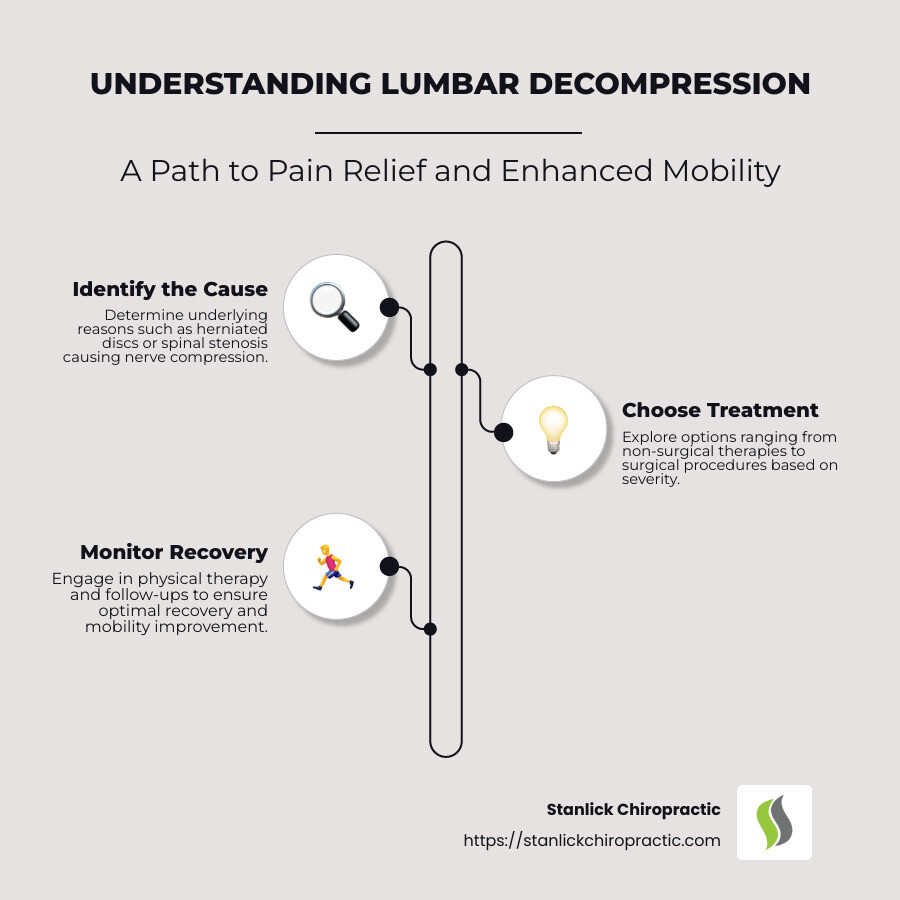
Understanding Lumbar Decompression
Lumbar decompression is essential for treating several spine-related conditions, all of which can cause significant discomfort and mobility issues. Let’s break down the key conditions that lumbar decompression can address:
Spinal Stenosis
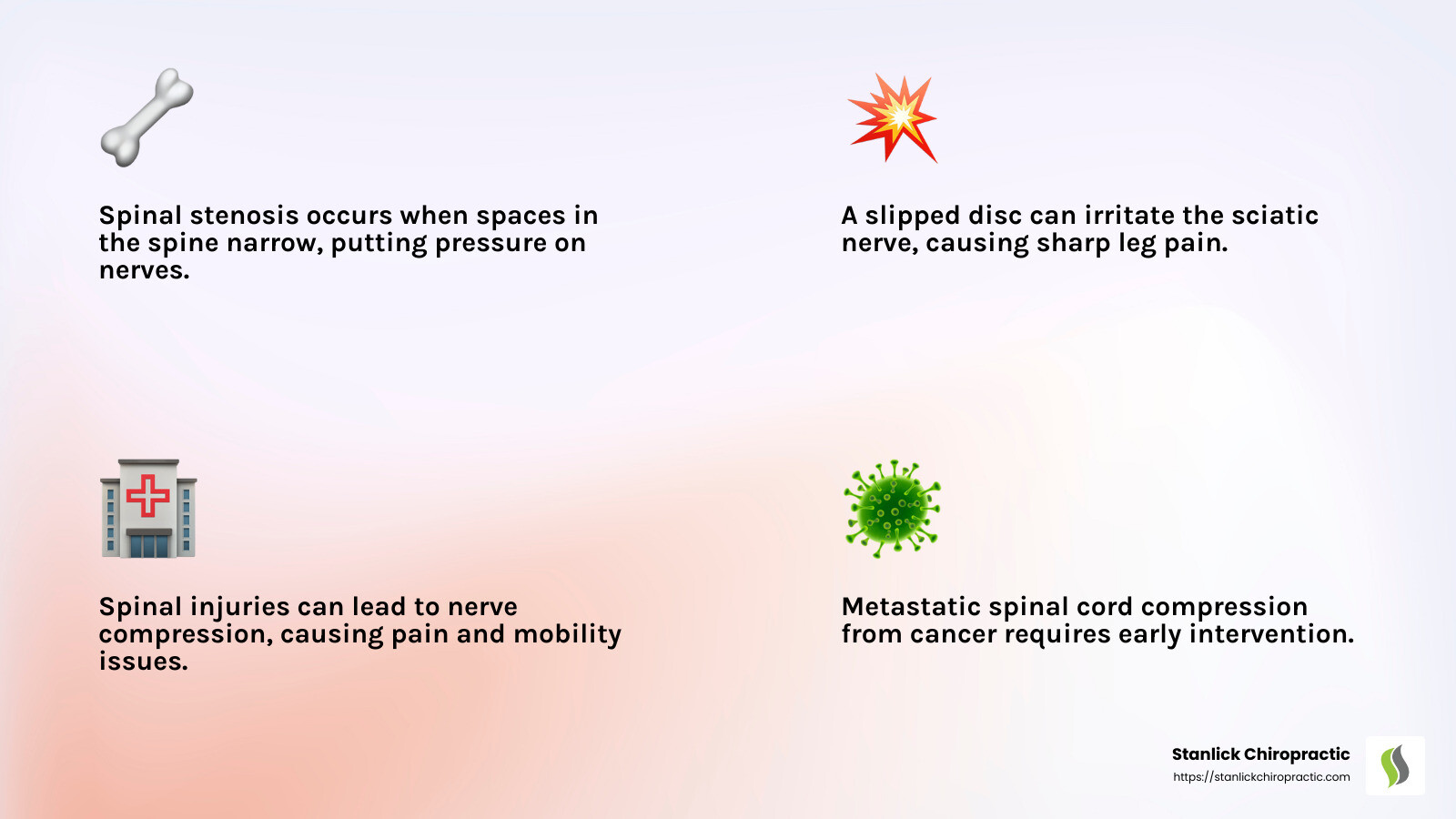
Spinal stenosis occurs when the spaces within your spine narrow, which can put pressure on the nerves traveling through the spine. This condition is often age-related and can lead to pain, numbness, or weakness in the legs.
Slipped Disc and Sciatica
A slipped disc, also known as a herniated disc, happens when one of the discs that sit between the bones of the spine ruptures. This can lead to sciatica, where the sciatic nerve is irritated, causing sharp pain that radiates from the lower back down the legs.
Spinal Injuries
Injuries such as fractures or swelling in the spinal area can compress nerves, resulting in pain and reduced mobility. Lumbar decompression can help by alleviating the pressure caused by these injuries.
Metastatic Spinal Cord Compression
This serious condition occurs when cancer spreads to the spine, pressing on the spinal cord or nerves. Early intervention is crucial to prevent permanent damage and improve quality of life.
By understanding these conditions, you can see how lumbar decompression is a versatile and effective treatment option. Whether it’s through surgery or non-invasive therapies, the goal is to relieve pressure on the nerves and reduce pain.
At Stanlick Chiropractic, we focus on providing comprehensive care custom to each individual’s needs. If you struggle with any of these conditions, our team is here to help you find the most suitable treatment path.
Types of Lumbar Decompression Surgery
When it comes to lumbar decompression, several surgical options can help relieve pressure on the nerves in the lower spine. Let’s explore the main types of surgeries used to address these issues:
Laminectomy
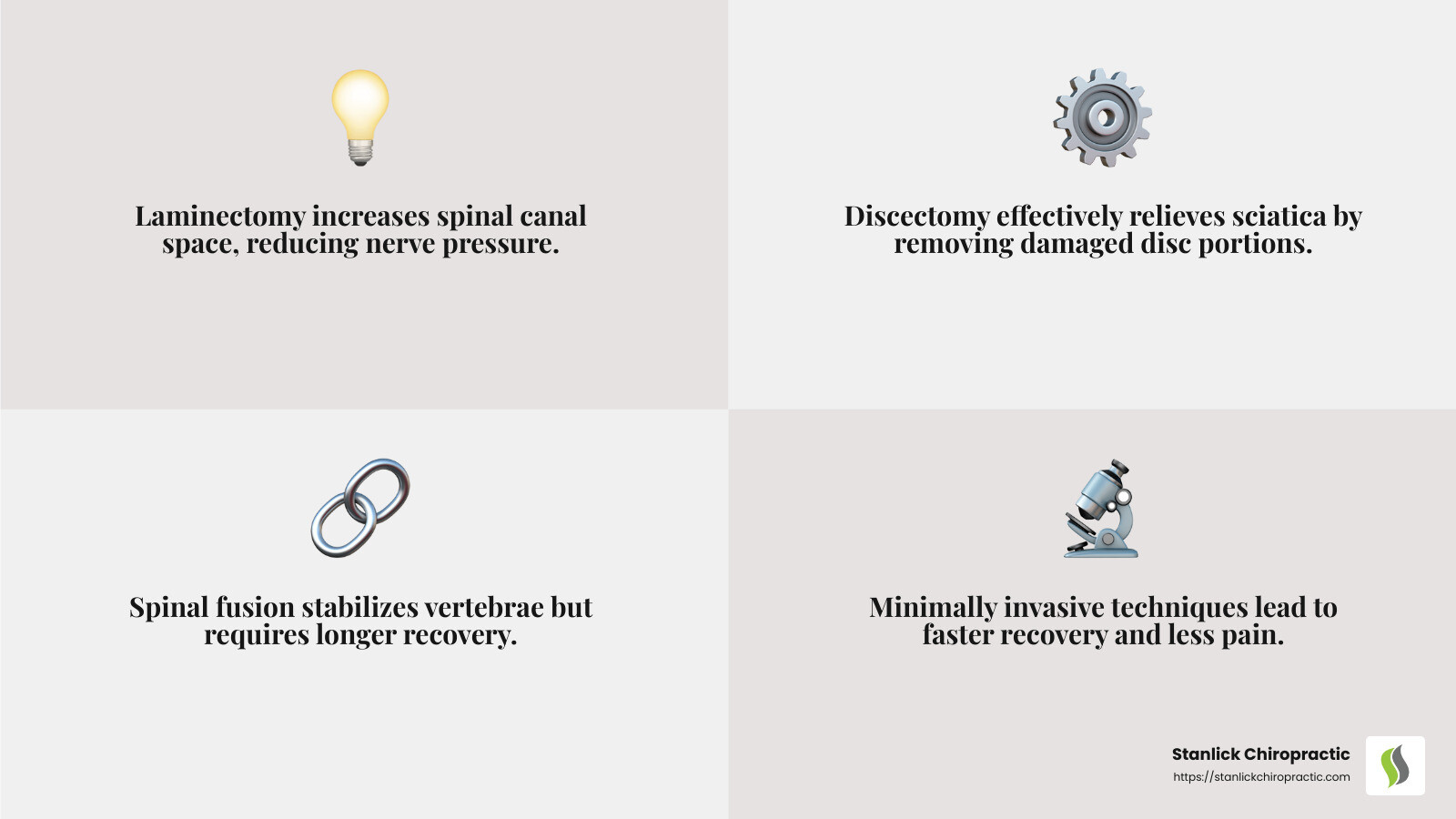
A laminectomy involves removing a section of bone called the lamina from one or more vertebrae. This procedure creates more space in the spinal canal, reducing nerve pressure. It’s particularly effective for conditions like spinal stenosis, where the spinal canal narrows and compresses the nerves.
Discectomy
In a discectomy, a portion of a damaged disc is removed to relieve pressure on a nerve. This is often used for treating a slipped disc or sciatica, where the disc presses on the sciatic nerve, causing pain to radiate down the leg. Discectomy is generally a straightforward procedure with a relatively quick recovery time.
Spinal Fusion
Spinal fusion involves joining two or more vertebrae together using bone grafts or metal rods. This stabilizes the spine and can help reduce pain caused by movement between vertebrae. While effective, spinal fusion typically requires a longer recovery period compared to other types of decompression surgery.
Minimally Invasive Techniques
Recent advancements have led to minimally invasive techniques for lumbar decompression. These procedures use smaller incisions and specialized instruments, which can result in less pain and a faster recovery. Microdiscectomy is one such technique, where only a small portion of the disc is removed with minimal disruption to surrounding tissues.
At Stanlick Chiropractic, we understand that each patient’s needs are unique. Our team is dedicated to providing the best possible care and helping you choose the most appropriate surgical option for your condition. Whether it’s a laminectomy, discectomy, or a more advanced minimally invasive procedure, our goal is to relieve your pain and improve your quality of life.
Recovery and Effectiveness
After undergoing lumbar decompression surgery, recovery is a crucial phase that helps ensure the best possible outcome. Let’s break down what you can expect during this period.
Hospital Stay
Though some lumbar decompression surgeries are planned as outpatient procedures, they often require an overnight stay. In fact, studies show that 58% of patients end up staying at least one night. This allows healthcare professionals to monitor your initial recovery and manage any immediate post-surgery discomfort.
Mobility Improvement
One of the main goals of lumbar decompression is to improve mobility. Many patients are encouraged to start walking the same day as their surgery. This early movement is essential for reducing complications and speeding up recovery. Over time, as pain levels decrease, mobility continues to improve, allowing patients to gradually return to their normal activities.
Pain Reduction
A significant benefit of lumbar decompression surgery is pain reduction. According to clinical studies, about 60% of patients report improvement in back pain six months post-surgery. For those who suffered from leg pain, the improvement rates are even higher, with 67% of decompression and 70% of microdiscectomy patients experiencing relief. This reduction in pain not only improves daily life but also supports improved functionality.
Physical Therapy
Physical therapy plays a vital role in the recovery process. It typically begins a few weeks following surgery, depending on the specific procedure and individual progress. For example, patients who have undergone a microdiscectomy may start low-impact aerobic exercises within four weeks. Physical therapy helps strengthen the back, improve flexibility, and prevent future injuries, all while ensuring a smoother transition back to regular activities.
At Stanlick Chiropractic, we prioritize personalized recovery plans to optimize your healing journey. Our team is here to support you every step of the way, ensuring you achieve the best possible outcome from your lumbar decompression surgery.
Risks and Considerations
While lumbar decompression surgery can provide significant relief, it’s important to be aware of the potential risks and considerations involved. Understanding these risks will help you make informed decisions about your treatment options.
Infection
Infections are a risk with any surgery. Though rare, they can occur at the incision site or deeper within the spine. Signs of infection include redness, swelling, and fever. To minimize this risk, surgeons use sterile techniques and may prescribe antibiotics post-surgery.
Blood Clots
Blood clots, particularly in the legs, are another potential risk. This condition, known as deep vein thrombosis (DVT), can be serious if not addressed promptly. To reduce the risk, patients are often encouraged to move around soon after surgery. Simple leg exercises and wearing compression stockings can also help prevent clots.
Nerve Damage
Nerve damage is a concern with any spinal surgery. Although uncommon, it can lead to numbness, weakness, or even paralysis in severe cases. Surgeons take great care to avoid damaging nerves during the procedure. It’s crucial to discuss any concerns with your healthcare provider before surgery to understand the risks specific to your case.
General Fitness
Your general fitness plays a key role in both the success of the surgery and your recovery. Patients with a body mass index (BMI) over 35 may face higher risks during surgery. Maintaining a healthy weight and staying active before surgery can improve your overall outcome. Additionally, quitting smoking and managing chronic conditions like diabetes or hypertension can further reduce risks.
At Stanlick Chiropractic, we believe in a holistic approach to your health. By understanding the risks and taking proactive steps, you can improve your recovery and maximize the benefits of lumbar decompression surgery.
Frequently Asked Questions about Lumbar Decompression
What is lumbar decompression surgery?
Lumbar decompression surgery is a procedure designed to relieve pressure on the nerves in the lower spine. This pressure often causes persistent pain, numbness, or weakness, especially in the legs. It’s typically recommended when non-surgical treatments, like physical therapy or medication, haven’t provided enough relief.
Common causes for compressed nerves include spinal stenosis, a slipped disc, or conditions like sciatica. The goal of the surgery is to improve mobility and reduce pain by addressing the underlying issue in the spine.
How long does it take to recover from lumbar decompression surgery?
Recovery time can vary based on the complexity of the surgery and individual factors like age and general health. Most patients can expect to stay in the hospital for 1 to 4 days after the procedure.
Mobility usually improves quickly, and many people can walk unassisted within a day. However, it’s important to avoid strenuous activities for at least 6 weeks to ensure proper healing. Returning to work depends on the nature of your job. If your job doesn’t require heavy lifting or long periods of standing, you might return in 4 to 6 weeks. For more physically demanding jobs, recovery might take up to 3 months.
How to decompress the lumbar spine at home?
Decompressing the lumbar spine at home involves non-invasive therapies and alternative treatments. Here are a few methods you can try:
Stretching and Exercises: Gentle stretches and exercises can help relieve tension in the lower back. A physiotherapist can guide you on specific exercises custom to your needs.
Heat and Ice Therapy: Applying heat can relax tight muscles, while ice can reduce inflammation and numb sore tissues.
Rest and Posture: Ensure your resting position supports your spine. Using a supportive chair and maintaining good posture can prevent further strain.
Non-Surgical Treatments: Treatments like spinal decompression therapy, which uses mechanized traction, can also be effective. This therapy creates negative pressure within the spine, helping to realign discs and improve blood flow.
Taking care of your spine at home is crucial for long-term relief. Always consult with a healthcare professional before starting any new treatment to ensure it’s safe for your specific condition.
By understanding these aspects of lumbar decompression, you can make informed decisions about your treatment and recovery process.
Conclusion
At Stanlick Chiropractic in Murfreesboro, TN, we believe in a personalized approach to pain management and overall wellness. Our team understands that each patient’s journey with back pain is unique, which is why we offer custom treatment plans designed to meet individual needs.
Lumbar decompression is one of the many services we provide to help relieve pressure on the spine and improve quality of life. Our state-of-the-art equipment and expert care ensure that you receive the most effective treatment possible. We focus on non-invasive therapies whenever possible, allowing you to experience relief without the need for surgery.
Our commitment to your health goes beyond just treating symptoms. We aim to improve your overall well-being, helping you return to the activities you love. Whether through spinal decompression, K-Laser therapy, or other chiropractic treatments, we are here to support you every step of the way.
If you’re ready to take the next step towards a pain-free life, we invite you to learn more about our spinal decompression services. Let us help you find the relief and wellness you deserve.


