

Spinal Decompression Therapy: Your Complete Pricing Guide
Why Understanding the True Cost of Spinal Decompression Matters
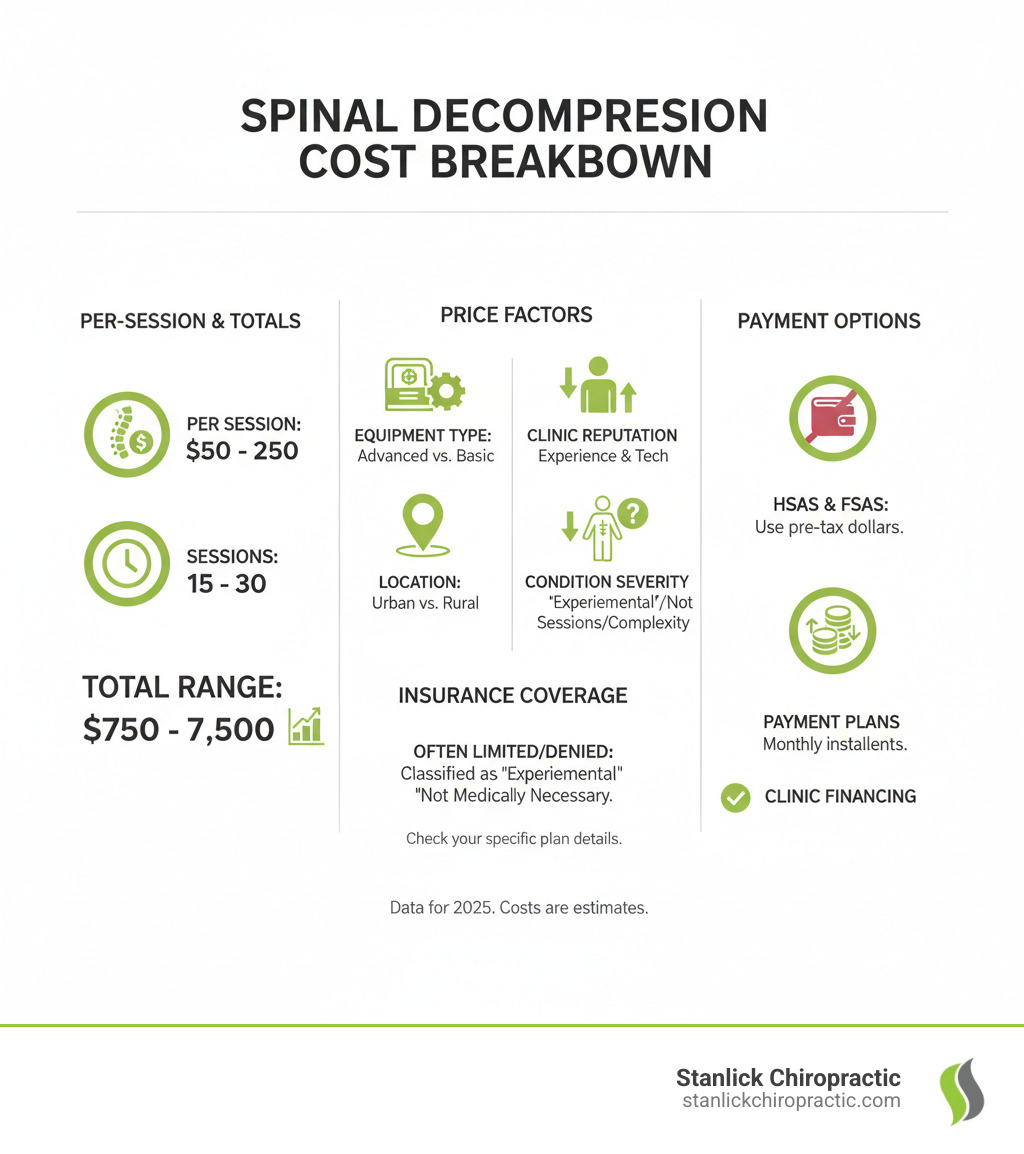
Spinal decompression cost typically ranges from $50 to $250 per session, with most patients needing 15 to 30 sessions. This means your total investment will likely fall between $750 and $7,500, depending on your condition, location, and insurance coverage.
Quick Cost Overview:
- Per Session: $50 – $250
- Total Sessions Needed: 15 – 30 treatments
- Total Treatment Cost: $750 – $7,500
- Insurance Coverage: Often limited or denied (classified as “experimental”)
- Payment Options: HSAs, FSAs, and payment plans may be available
If you’re dealing with chronic back pain, you’ve likely considered many options. Now you’re looking at spinal decompression therapy and wondering: Can I actually afford this? The price can vary from under $1,000 to nearly $8,000 for a full treatment plan, which is confusing when you’re already in pain.
Understanding the real cost matters because most insurance companies classify this treatment as “experimental,” leaving you to pay out-of-pocket. This guide breaks down everything that affects your final bill, from equipment and practitioner experience to hidden fees and payment options.
I’m Dr. Mitch Stanlick, and since 2004, I’ve helped hundreds of patients in Murfreesboro steer spinal decompression costs with transparent, personalized care. I believe you deserve honest information before investing in your health.
Understanding Spinal Decompression Therapy
Before exploring the spinal decompression cost, it’s important to know what you’re paying for. This therapy is an investment in your health, so let’s break down what it is, who it helps, and its safety profile.
What It Is and How It Works
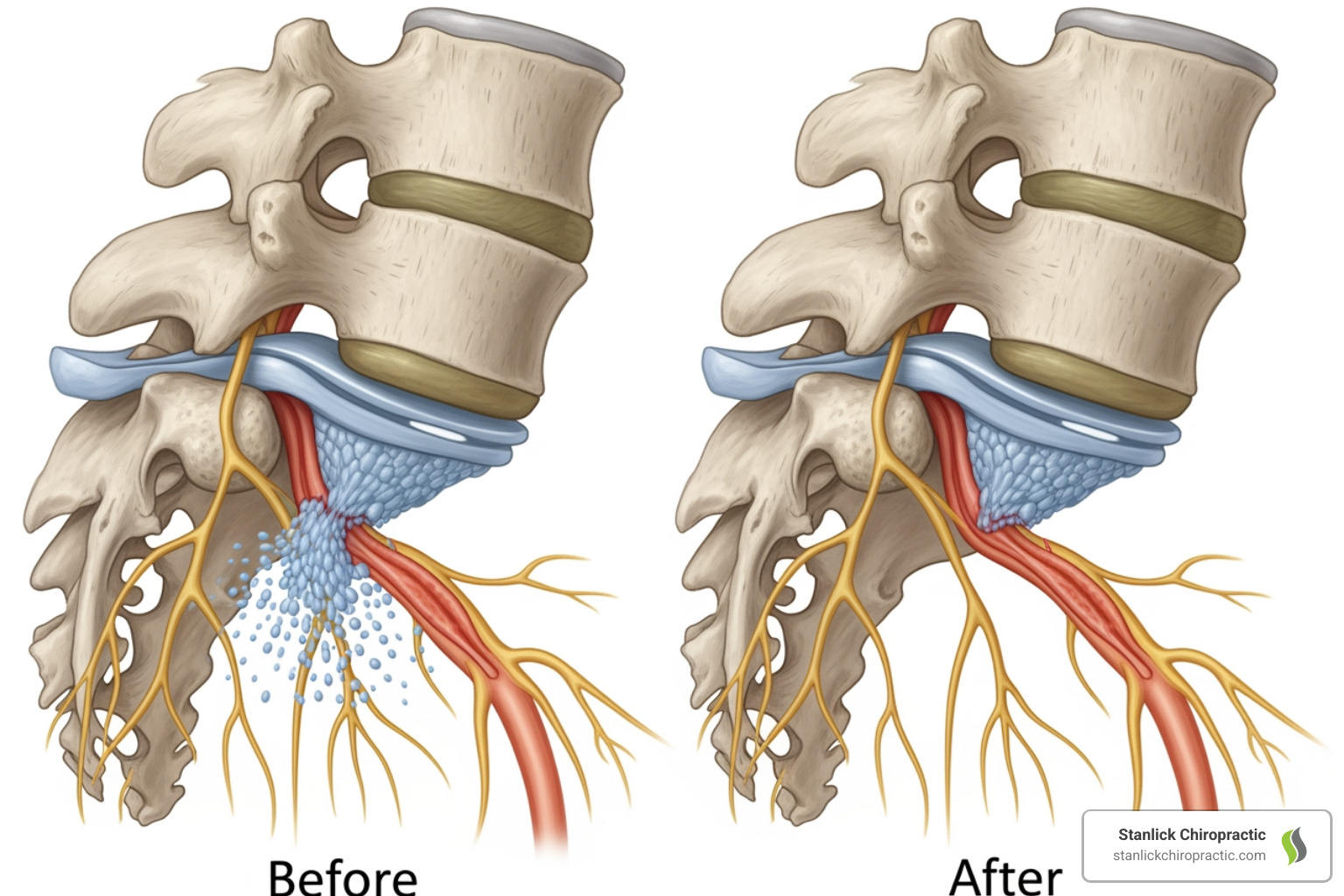
Spinal decompression therapy provides a gentle, controlled stretch to your spine. You lie on a specialized, computer-controlled table as it performs a precise series of stretches and relaxations. This isn’t simple traction; it’s a sophisticated, motorized process.
The stretching creates negative intradiscal pressure inside your spinal discs—like a vacuum effect. This helps draw herniated or bulging disc material back into place and pulls in vital nutrients, oxygen, and water to promote healing. Think of your discs as sponges; decompression allows them to rehydrate and absorb what they need to repair damaged tissue naturally. Modern computerized systems target specific problem areas with remarkable precision. For a deeper look, see our page on What is Spinal Decompression?
Conditions Treated and Potential Benefits
This therapy is effective for many people with chronic back or neck pain. We see impressive results with:
- Herniated or Bulging Discs: Decompression helps retract disc material, relieving pressure on nerves.
- Degenerative Disc Disease: It can help restore disc height and improve nutrient flow, potentially slowing degeneration.
- Sciatica: The therapy targets the root cause by relieving pressure on the sciatic nerve. Learn more about our Chiropractor for Sciatica Relief.
- Spinal Stenosis, Pinched Nerves, and Chronic Pain: It also helps with these conditions when other treatments have failed.
Patients report not just pain relief but also improved mobility, better sleep, and a return to their favorite activities. It’s a genuine non-invasive alternative to surgery or long-term medication. Find more on our page about the Benefits of Spinal Decompression Therapy.
Is It Safe? Risks and Contraindications
Spinal decompression therapy is generally very safe, and many patients find it relaxing. However, like any treatment, it’s not for everyone.
Mild side effects can include temporary muscle soreness or spasms, similar to starting a new exercise. Serious complications are rare, but scientific research has documented cases of herniations worsening, which highlights the need for proper screening.
A thorough evaluation is essential. This therapy is not safe if you are pregnant or have severe osteoporosis, spinal tumors, active infections, recent spinal fractures, or spinal surgery with metal implants (like screws or rods). People with abdominal aortic aneurysms must also avoid it. Honesty about your medical history is crucial for your safety. For more details, read our page on Spinal Decompression Therapy Risks.
The Complete Breakdown of Spinal Decompression Cost

Now that you know how spinal decompression works, let’s break down the financial side so you can plan accordingly and avoid surprises.
Average Cost Per Session and Full Treatment Plan
A single spinal decompression session typically costs between $50 and $250. Since this is a therapeutic process, not a one-time fix, most patients need 15 to 30 sessions for lasting relief. This puts the total investment for a complete course of treatment between $750 and $7,500.
Each session builds on the last, gradually correcting the underlying problem. Some clinics offer packages, but we believe in a personalized treatment plan custom to your unique condition. Your back pain is unique, and your treatment plan should be too. For more details, visit our page on Spinal Decompression Therapy Cost.
Non-Surgical Decompression vs. Surgical Decompression Costs
To put the spinal decompression cost in perspective, it’s helpful to compare it to the surgical alternative.
| Feature | Non-Surgical Spinal Decompression | Surgical Spinal Decompression (e.g., Lumbar Diskectomy) |
|---|---|---|
| Treatment Type | Non-invasive, motorized traction | Invasive surgical procedure |
| Typical Cost | Moderate investment (full course) | $15,000 – $30,000+ (often much higher) |
| Recovery Time | Minimal to none, can continue daily activities | Weeks to months, often with significant restrictions |
| Risks | Mild, temporary side effects (soreness, spasms) | Infection, bleeding, nerve damage, failed back surgery syndrome |
| Anesthesia | None | General or local anesthesia |
| Hospital Stay | None (outpatient) | Typically 1-3 days |
Surgical procedures like a lumbar diskectomy can cost $15,000 to $30,000 or more, not including lost wages during a recovery that can take weeks or months.
Non-surgical decompression is a fraction of that cost. You can continue your daily life without hospital stays, anesthesia, or lengthy downtime. While surgery is sometimes necessary, non-surgical decompression offers a compelling, less risky, and dramatically more affordable first option for many patients. For our patients in Murfreesboro, this makes it a worthwhile investment in avoiding the high costs of surgery.
Key Factors That Influence Pricing
The spinal decompression cost varies because several key factors determine the final price. Understanding them helps you see the value behind the numbers.
Practitioner’s Expertise and Geographic Location
The experience of your practitioner is crucial. A chiropractor with specialized training in spinal decompression can tailor treatment protocols effectively, which can lead to better, more efficient results. This expertise is reflected in their fees. Your location also matters. A clinic in a major city like Nashville has higher overhead than one in Murfreesboro, and this difference affects pricing. We’re proud that our Murfreesboro location allows us to provide top-quality care at a reasonable cost.
Technology and Equipment Used
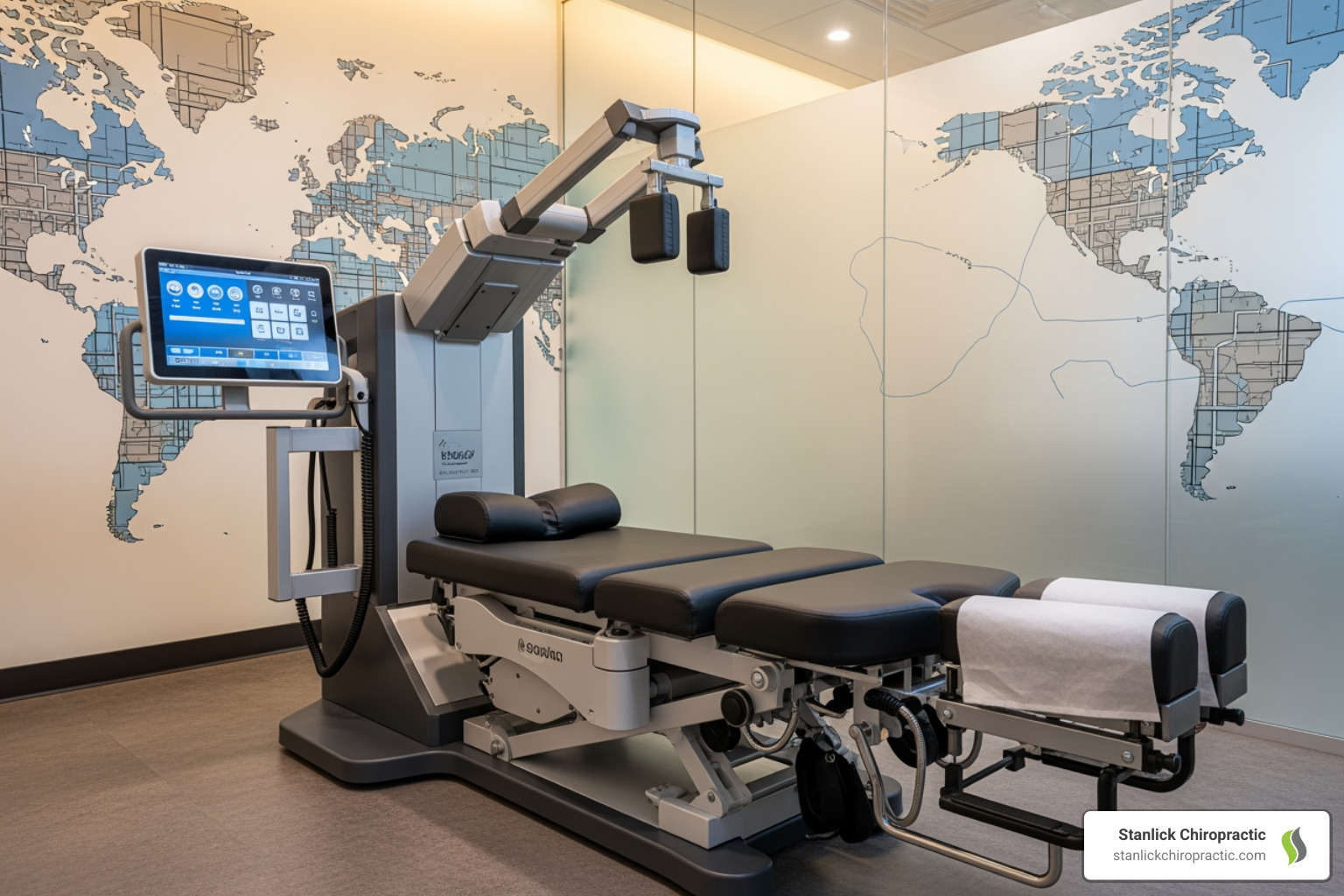
The technology used significantly impacts cost. Basic mechanical traction tables are far less expensive for a clinic to own than advanced, computerized decompression systems like the DRX9000 or SpineMed. These high-tech tables offer precise, customized treatment that can adapt in real-time to your body’s response, targeting specific spinal segments with an accuracy older models lack. This advanced capability is a major factor in the per-session price.
Your Custom Treatment Plan and Severity
The most significant factor affecting your total cost is you. Your treatment plan is based on a thorough assessment of your specific condition. A mild, recent disc bulge requires a different approach—and likely fewer sessions—than a severe, chronic herniation. The complexity of your condition directly influences the number of sessions needed, which typically ranges from 15 to 30. We may also recommend complementary therapies like chiropractic adjustments or K-Laser therapy to improve healing. Our Custom Treatment Plans are designed for your specific needs, ensuring your cost reflects the care you actually require.
Navigating Insurance, Payments, and Hidden Fees
Understanding how to pay for spinal decompression cost can be tricky. This section clarifies what to expect with insurance, payment options, and potential hidden fees.
Does Insurance Cover Spinal Decompression?
The unfortunate reality is that most insurance companies, including Medicare, do not cover spinal decompression therapy. They typically classify it as “experimental” or “investigational,” meaning they’ve decided there isn’t enough evidence to justify payment, despite high success rates in clinical practice. The Centers for Medicare & Medicaid Services has stated that insurance companies generally won’t pay for this treatment.
Because every plan is different, you must call your insurance company directly to confirm your benefits. Ask specifically about coverage for spinal decompression therapy. If they indicate any coverage, get it in writing and seek pre-authorization to avoid surprise denials.
Understanding Your Out-of-Pocket Spinal Decompression Cost
Since insurance coverage is rare, most patients pay out-of-pocket. Here are some ways to make the investment more manageable:
- Health Savings Accounts (HSAs) and Flexible Spending Accounts (FSAs): These accounts allow you to use pre-tax dollars for medical expenses, including spinal decompression. This provides a discount equal to your tax rate.
- Clinic Payment Plans: We believe cost shouldn’t be a barrier to pain relief. At Stanlick Chiropractic, we work with our Murfreesboro patients to create payment arrangements that fit their budgets. We’ll discuss this with you during your consultation.
Watch Out for Hidden Costs
A reputable clinic will be transparent about all costs. Be sure to ask about these potential expenses upfront:
- Initial Consultation Fees: These can range from $100-$150+ and may not be included in the per-session price.
- Diagnostic Imaging: MRIs or X-rays may be required before treatment, and these are billed separately by the imaging center.
- Add-Ons: Be cautious if a clinic pushes expensive supplements or braces as “mandatory.” We only recommend what is evidence-based and truly beneficial.
- Maintenance Sessions: Follow-up sessions may be recommended to sustain your results, representing a long-term cost to consider.
Is Spinal Decompression Worth the Investment?
After understanding the spinal decompression cost, the key question remains: Is it worth it? Let’s look at the evidence, alternatives, and long-term value.
Scientific Evidence and Success Rates
A growing body of research supports spinal decompression. Scientific research on motorized traction, shows success rates for pain reduction from 70% to 90% for patients who complete their treatment. While it’s not a magic cure, it is highly effective for specific conditions like herniated discs, bulging discs, and degenerative disc disease. Your individual results will depend on your condition’s severity and your commitment to the plan. At Stanlick Chiropractic, we track progress objectively to ensure the best outcomes. Learn more by reading Is Spinal Decompression Therapy Effective?
Comparing Alternatives: Conventional Traction
Modern spinal decompression is more advanced than conventional traction. Traditional traction applies a static pull, which often triggers the body’s protective muscle-guarding reflex. This tensing up counteracts the stretch and prevents the disc from decompressing.
Modern spinal decompression therapy overcomes this with computer-controlled technology. It uses subtle oscillations between pulling and releasing to bypass muscle spasms, allowing for a deeper, more effective, and targeted decompression of specific spinal segments. While other options exist, such as those in our guide to 4 Non-Invasive Treatments for Chronic Pain, this targeted approach is what makes spinal decompression unique.
How Long Do the Benefits Last?
The longevity of relief varies. Some patients experience benefits for years, while others find periodic maintenance sessions helpful. The key to lasting results is what you do after treatment.
Follow-up care is crucial. Spinal decompression creates the ideal environment for healing, but you must protect that investment. Good daily habits make all the difference:
- Maintain good posture when sitting, standing, and driving.
- Lift correctly using your legs, not your back.
- Stay active with low-impact exercises like walking or swimming.
- Perform core strengthening exercises to provide natural support for your spine.
We see treatment as a partnership. We provide the therapy and guidance, and you commit to lifestyle changes that support long-term wellness. When you factor in the potential for lasting relief and avoiding surgery, many patients find the investment in their quality of life is well worth the cost.
Frequently Asked Questions about Spinal Decompression
Our Murfreesboro patients often have questions as they consider this therapy. Here are answers to the most common concerns, especially regarding spinal decompression cost and the treatment experience.
Is spinal decompression therapy painful?
No, the therapy should not be painful. Most patients describe it as a gentle, comfortable stretch, and many even fall asleep during sessions. The computer-controlled system applies gradual force, and you are always in control with a safety stop-switch.
How many sessions will I need?
This is the biggest factor in your total cost. Most patients need between 15 to 30 sessions, depending on the severity and chronicity of their condition. We typically schedule sessions more frequently at first, then taper off as you improve, with regular progress evaluations to ensure you get the right amount of care.
Who is qualified to perform spinal decompression therapy?
Chiropractors, physical therapists, and some medical doctors can administer this therapy. It is essential that they have specialized training and certification on the specific equipment they use. This ensures they can customize treatment protocols safely and effectively for your specific condition. Don’t hesitate to ask about a provider’s qualifications and experience.
Conclusion

Dealing with chronic back pain is hard enough without confusing pricing. We’ve shown that spinal decompression cost varies based on your condition, the technology used, and your practitioner’s expertise. While insurance coverage is limited, payment options like HSAs, FSAs, and clinic plans can make it accessible.
With success rates for pain reduction between 70% and 90%, this therapy offers a proven, non-surgical path back to the life you love. The investment is not just financial—it’s an investment in your quality of life, your ability to work, and your freedom to enjoy activities without pain.
At Stanlick Chiropractic in Murfreesboro, we are committed to transparent pricing and personalized, affordable treatment plans. We’ll never push unnecessary add-ons or lock you into a rigid package.
If you’re tired of living with back pain, let’s talk. We’ll assess your condition, discuss realistic outcomes, and create a plan that makes sense for you, both medically and financially. You deserve honest answers and compassionate care.
Learn more about our Spinal Decompression services and schedule your consultation today!


